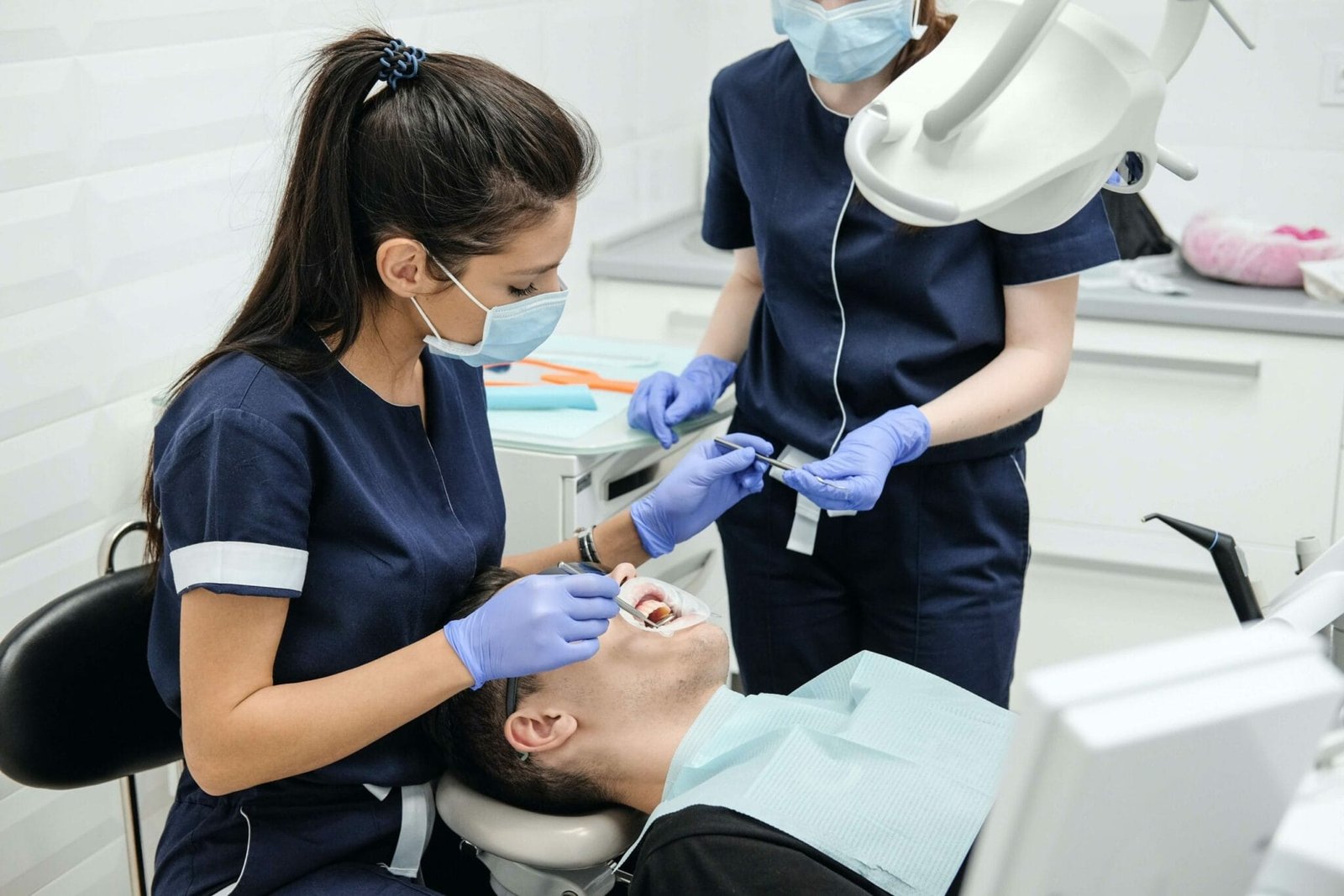
Your mouth often hides problems you cannot see or feel. Small issues grow into painful emergencies when you wait. General dentistry protects you from that. During routine visits, your dentist checks your teeth, gums, tongue, and jaw. You get simple tests that can uncover infection, tooth decay, gum disease, and signs of oral cancer before they spread. If you see a trusted dentist in Southeast Denver on a regular schedule, you give yourself a real chance to catch trouble early. You also protect your heart, lungs, and blood sugar, because mouth health ties to your whole body. This blog explains four clear reasons general dentistry helps find hidden problems. You will see how routine exams, X-rays, cleanings, and medical reviews work together to guard your health. You deserve care that notices the quiet warning signs before they turn into a crisis.
1. Routine exams catch quite a lot of damage early
Many mouth problems start small. You may not feel pain. You may not see a change in the mirror. Routine exams give your dentist a clear view before that damage grows.
During a general exam, your dentist:
- Looks at each tooth for soft spots, chips, and cracks
- Checks your gums for redness, bleeding, and swelling
- Reviews how your teeth fit when you bite
- Checks your tongue, cheeks, and throat for strange spots
The dentist uses strong light and simple tools. You get a careful check of places you cannot see at home. The Centers for Disease Control and Prevention reports that more than half of adults have gum disease. Many do not know it started. Regular exams help you avoid that surprise.
Without these visits, you may only find a problem when it hurts to chew or drink. By then, you may need deeper work. Exams turn silent damage into clear facts while treatment is still simple.
2. X-rays reveal hidden trouble under the surface
Not every problem shows on the surface. Some hide between teeth, under old fillings, or inside the jawbone. X-rays give your dentist a picture of those deeper spots.
Dental X rays can show:
- Cavities between teeth that floss and brushing miss
- Infection at the root of a tooth
- Bone loss from gum disease
- Impacted teeth that do not come in right
- Cysts or growths in the jaw
The American Dental Association explains that X-rays use low radiation and are safe for routine care. These images let your dentist measure changes over time. You get a track record of your mouth health.
Here is a simple comparison of what exams and X-rays can find.
Tool | What it checks | Common hidden problems found |
|---|---|---|
Visual exam | Teeth, gums, tongue, cheeks | Early gum disease, worn teeth, sores, white or red patches |
X rays | Tooth roots, bone, spaces between teeth | Deep decay, bone loss, infections, impacted teeth, cysts |
Periodontal check | Spaces between teeth and gums | Pocket depth, hidden plaque, early bone change |
Each tool catches a different kind of hidden trouble. Together, they give a full picture. You walk out knowing where you stand.
3. Cleanings stop silent infection and protect your body
Cleaning visits are not just for stain or fresh breath. They break up layers of plaque and tartar that carry germs. These layers stick under the gum line, where your brush cannot reach.
During a general cleaning, the dental team:
- Scrapes off tartar from teeth and along the gum line
- Polishes teeth to smooth rough spots where germs cling
- Checks for bleeding or pockets around teeth
- Shows you where brushing or flossing misses spots
Gum infection can move from your mouth into your blood. The National Institutes of Health links poor mouth health to heart disease, stroke, and trouble with blood sugar control. Routine cleanings cut that risk. You protect your heart when you protect your gums.
Here is a quick view of how often most people need cleanings.
Health situation | Typical cleaning schedule | Reason |
|---|---|---|
Healthy gums and teeth | Every 6 months | Prevents buildup and catches early change |
History of gum disease | Every 3 to 4 months | Controls infection and bone loss |
Diabetes or heart disease | Every 3 to 4 months | Lowers strain on the body |
You and your dentist can adjust this schedule. The key is simple. Regular cleanings keep germs from digging in. You avoid a quiet infection that harms both your mouth and your body.
4. Medical reviews link mouth changes to whole body health
Your mouth tells a story about your health. A careful dentist reads that story during each visit. You help by sharing your medical history.
During a general dentistry visit, the office will often:
- Ask about new medicines or changes in dose
- Review conditions like diabetes, pregnancy, or heart disease
- Check blood pressure when needed
- Ask about sleep, snoring, or jaw pain
These facts matter. Some blood pressure drugs cause dry mouth. That raises your risk for decay. Diabetes can slow healing and increase gum infection. A dentist who knows your health story can spot patterns. You get care that fits your body.
General dentists also screen for oral cancer signs. This includes checking your tongue, the floor of your mouth, and your throat. The National Cancer Institute notes that early oral cancer often does not hurt. A simple look and gentle touch during routine visits can find spots that need testing.
When your dentist and your doctor share information, they can work as a team. You get care that protects you from hidden links between your mouth and the rest of your body.
Take your next step today
Hidden mouth problems do not wait for a better time. They grow in silence. General dentistry gives you a shield. Exams, X-rays, cleanings, and medical reviews work together to catch trouble while it is still small.
You can take three simple steps now.
- Schedule a routine exam if you have not seen a dentist in the past year
- Share your full health history at your next visit and bring a list of medicines
- Ask your dentist how often you need exams and cleanings based on your risk
Your mouth is part of your body, not a separate piece. When you care for it through general dentistry, you protect your comfort, your confidence, and your health. You deserve that steady protection before hidden problems turn into pain.