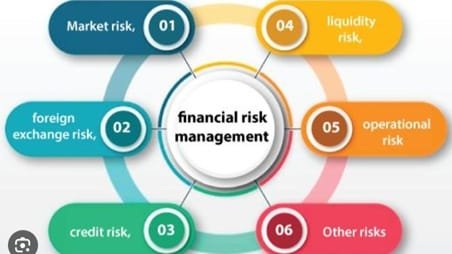
Understanding financial risk is crucial. You manage your finances better when you identify and minimize risks. The value of contingency planning (CP) in financial risk management cannot be ignored. CP helps you prepare for unexpected events, ensuring your financial stability. When you have a solid plan, you react less to sudden changes. Imagine a Leawood accountant guiding you through stormy financial times. Knowledge and foresight make risks more manageable. CP provides a clear path, even when the future seems uncertain. While financial systems can be unpredictable, a strong foundation ensures you remain steady. By adopting CP, you can protect your assets and peace of mind. In today’s fast-paced world, preparation is not just wise; it is essential. By understanding and utilizing CP, you equip yourself to handle financial challenges better. Embrace CP as a tool to safeguard your financial future, and take control of your economic well-being.
Why Contingency Planning Matters
Financial risks can disrupt your life. They show up without warning. Economic downturns, medical emergencies, or sudden expenses can test your financial resilience. Contingency planning helps you face these challenges head-on. It serves as a financial safety net. You avoid panic, because you know what steps to take. With CP, you outline specific actions for various scenarios, helping to minimize losses and maintain stability.
Steps to Create an Effective Contingency Plan
Creating a contingency plan does not have to be complicated. Follow these steps:
- Identify Potential Risks: List all possible financial risks you might encounter.
- Assess Impact: Consider how each risk affects your finances. Prioritize based on impact.
- Develop Strategies: Plan specific actions for each risk. Think of both short-term and long-term strategies.
- Allocate Resources: Set aside financial resources or insurance to mitigate risks.
- Review Regularly: Update your plan as your financial situation or risks change.
Benefits of Contingency Planning
CP offers tangible benefits. You gain confidence in your financial decisions. When risks happen, you act from a position of strength. It reduces stress, allowing you to focus on recovery rather than chaos. A solid plan also improves your financial literacy, making you more adept at managing future risks.
Real-World Application
Consider this real-world example. During the 2008 financial crisis, many families faced significant financial stress. Those with contingency plans managed better. They had clear steps to reduce expenses, access emergency funds, and stabilize their situation. Their foresight made a critical difference.
Contingency Planning vs. No Planning
| Aspect | With Contingency Planning | Without Planning |
|---|---|---|
| Response to Crisis | Calm, strategic | Panic, confusion |
| Financial Stability | Maintained | At risk |
| Stress Level | Lower | Higher |
| Recovery Time | Shorter | Longer |
Resources and Guidance
For those needing guidance, resources are available. The Federal Emergency Management Agency (FEMA) offers tools for financial preparedness. It helps you understand and implement CP. Additionally, Consumer Financial Protection Bureau (CFPB) provides valuable insights on managing financial risks. These resources empower you to build and refine your contingency plan effectively.
Conclusion
The importance of CP in financial risk management is clear. You secure your future by preparing for uncertainties. CP helps you act decisively, minimizing financial harm. Recognizing potential risks and planning accordingly allows you to face challenges with confidence. As you implement CP, remember to review and adjust your plan regularly. Doing so ensures your preparedness for any financial scenario. Embrace CP today and safeguard your economic well-being with assured peace of mind.