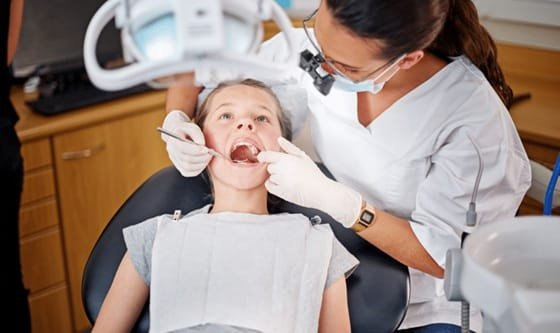
Your mouth affects your whole body. When you ignore it, small problems grow into pain, infection, and high medical bills. Preventive dentistry stops that cycle for both kids and adults. It uses simple steps that protect teeth before they break down. You brush and floss. You see a dentist in Marinette and Peshtigo, WI for cleanings and checkups. You fix small issues early. Children need this care to grow, speak, and learn without tooth pain. Adults need it to keep teeth strong, lower disease risk, and stay able to work and care for family. Skipping preventive care can lead to tooth loss, emergency visits, and serious health problems. This blog explains how routine visits, cleanings, and home care work together. It shows you what to do at every age so you can protect your smile, your health, and your peace of mind.
How Your Mouth Connects To Your Health
Your mouth is not separate from the rest of your body. Germs in your gums and teeth can move into your blood. This can strain your heart, lungs, and immune system. The Centers for Disease Control and Prevention explains that poor oral health links to diabetes, heart disease, and stroke.
There is another concern. When teeth hurt, you avoid certain foods. You may eat more soft, processed food and less fresh food. This can weaken your body and lower your energy. Good preventive care protects your ability to eat, talk, and sleep without pain. That support keeps your body stronger at every age.
What Preventive Dentistry Includes
Preventive dentistry is simple. It is a set of habits and regular visits that stop problems before they start or spread.
It includes three main parts.
- Daily home care like brushing and flossing
- Routine checkups and cleanings
- Early treatment of small issues
The American Dental Association outlines these steps in its patient resources.
Why Kids Need Preventive Dentistry
For children, preventive care shapes their future health. Baby teeth hold space for adult teeth. When baby teeth decay or fall out too soon, adult teeth can come in crowded or twisted.
Good preventive care for kids should include these steps.
- Cleaning baby gums with a soft cloth even before teeth appear
- Brushing with a small soft brush as soon as the first tooth appears
- Using a tiny smear of fluoride toothpaste up to age 3, then a pea sized amount after
- Scheduling a first dental visit by age 1 or within 6 months of the first tooth
- Asking about sealants on back teeth when they come in
Early care helps your child eat, sleep, and learn without pain. It also lowers missed school days and behavior issues linked to tooth pain.
Why Adults Need Preventive Dentistry
Many adults wait until something hurts. That pattern leads to large cavities, broken teeth, and gum disease. These problems cost more money and time. They also raise the risk of tooth loss.
Preventive care for adults should include these steps.
- Brushing twice a day with fluoride toothpaste
- Flossing once a day
- Seeing a dentist every 6 to 12 months, or as advised
- Getting regular gum checks to spot early gum disease
- Talking about grinding, dry mouth, and tobacco use
Adults with diabetes, heart disease, or who are pregnant need closer oral care. Gum infection can worsen blood sugar control and strain the heart. It can also raise the risk of low birth weight and early labor. Preventive visits lower these risks by finding and treating gum problems early.
Kids And Adults: A Simple Comparison
The basics of care stay the same for every age. You clean teeth, protect enamel, and see your dentist on a regular schedule. The focus changes as the mouth and body change. The table below shows key differences.
| Topic | Kids | Adults |
|---|---|---|
| Main goals | Support growth, speech, and learning without pain | Protect teeth, gums, and general health |
| Common risks | Sugary snacks, juice, bedtime bottles, poor brushing | Gum disease, grinding, tobacco, chronic illness |
| Dental visits | First visit by age 1, then every 6 months | Every 6 to 12 months, or more often if needed |
| Preventive tools | Fluoride, sealants, parent help with brushing | Fluoride, cleanings, night guards, gum therapy |
| Long term risk if ignored | Tooth pain, missed school, crowded adult teeth | Tooth loss, costly treatment, higher disease risk |
How Often You Should See The Dentist
Most people need a checkup and cleaning every 6 months. Some may need more visits. Your dentist will look at your mouth, your health history, and your habits. Then your dentist will set a schedule that fits your needs.
You should not wait for pain. By the time something hurts, the problem is often large. Regular visits catch issues when they are small and easier to fix.
Building Daily Habits That Work
You do not need complex routines. You need simple habits that you repeat every day.
- Brush twice a day for two minutes
- Use fluoride toothpaste
- Floss once a day to clean between teeth
- Drink water instead of sugary drinks most of the time
- Limit frequent snacking, especially sticky or sweet snacks
For kids, turn brushing into a shared routine. You can brush your teeth at the same time. You can use a timer or song to reach two minutes. You can praise effort, not perfection. That pattern builds habit and confidence.
When To Call A Dentist Right Away
Preventive care works best when you act early. You should contact a dentist soon if you notice any of these signs.
- Bleeding gums when brushing or flossing
- Ongoing bad breath
- Tooth pain or sensitivity to hot, cold, or sweet foods
- Loose teeth in adults
- Sores that do not heal within two weeks
- Swelling in the face or jaw
These signs do not always mean a serious disease. They do mean that your mouth needs attention. Quick care can prevent emergency visits and stronger pain.
Taking The Next Step For Your Family
Preventive dentistry is not a luxury. It is basic health care for your family. When you keep up with home care and regular visits, you reduce pain, protect your budget, and support your body.
You can start now. You can set up checkups for you and your children. You can review brushing and flossing tonight. You can ask your dentist clear questions about your risks and your next steps. Small moves today protect your smile and your health for many years.