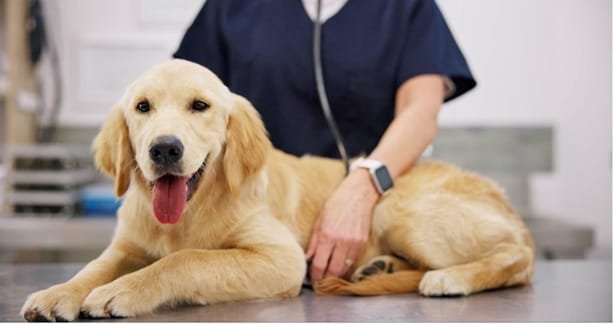
Allergies can turn your pet’s life into a cycle of itching, chewing, and misery. You see the raw skin. You hear the restless scratching at night. You feel helpless. Small animal vets step in to break that cycle. They sort out if the trigger is food, fleas, pollen, or something in your home. Then they build a clear plan that fits your pet and your budget. This can include skin checks, ear care, diet changes, and safe medicine. It can also include simple changes in cleaning and grooming. Your local small animal clinic in Silver Spring can track flare ups and catch infections early. That keeps small problems from turning into long and costly suffering. With the right partner, you do not have to guess or feel alone. You get straight answers. Your pet gets steady relief.
How Allergies Show Up In Pets
Allergies in pets often look different from allergies in people. You may see:
- Constant scratching or licking
- Red or flaky skin
- Chewing at paws or tail
- Shaking the head or rubbing the ears
- Runny eyes or sneezing
- Soft stool or vomiting after meals
These signs can grow fast. You might start with a small rash that turns into open sores or ear infections. A vet checks the pattern. They ask when symptoms start, what your pet eats, and where your pet spends time. That history points to the most likely trigger.
Common Allergy Triggers Small Animal Vets Look For
Vets group pet allergies into three main types. Each needs a different plan.
| Type of allergy | Typical triggers | Common signs | How a vet responds |
|---|---|---|---|
| Flea allergy | Saliva from flea bites | Itchy back and tail, scabs, hair loss | Flea control, skin care, short term medicine for itch |
| Food allergy | Protein in food such as chicken or beef | Year round itch, ear issues, stomach upset | Strict diet trial, new or hydrolyzed food, long term plan |
| Environmental allergy | Pollen, dust, mold | Seasonal or year round itch, red paws, face rubbing | Medicine for itch, skin care, possible allergy shots |
Each type can happen alone. It can also stack. A pet can have flea and food and pollen triggers at once. That stack raises the itch level fast. A vet works to lower every piece of that stack.
How Vets Test For Allergies
There is no single magic test. Vets use a step by step method.
First, they rule out fleas and infections. They may:
- Comb for fleas and flea dirt
- Look at skin cells under a microscope
- Check ears for yeast or bacteria
Next, they may suggest a diet trial for 8 to 12 weeks. You feed only the food your vet picks. No treats. No table scraps. If your pet gets better on that food and worse when old food returns, that points to a food allergy.
For pollen and dust allergies, vets may use blood tests or skin tests. These tests help build allergy shots or drops that match your pet’s triggers.
Treatment Options Your Vet May Offer
Most pets need a mix of tools. Your vet explains what each option does and how it fits your life.
- Flea control. Year round flea control is the base. One bite can set off a large flare.
- Anti itch medicine. Short or long term pills, liquids, or shots can cut the itch cycle.
- Topical care. Shampoos, wipes, and sprays clean the skin and calm hot spots.
- Diet change. Special food reduces flare ups in pets with food allergy.
- Allergy shots or drops. These expose your pet to tiny amounts of triggers over time. That can reduce the body’s reaction.
Many pets also need treatment for ear infections or skin infections. A vet checks that each visit. They treat what they see instead of waiting for it to spread.
Home Care Steps That Make Treatment Work
You play a strong role. Your daily choices can raise or lower your pet’s itch level. Vets often stress three simple habits.
- Clean spaces. Wash bedding in hot water. Vacuum rugs and soft furniture often.
- Regular baths. Use the shampoo your vet picks. Rinse well. Dry fully.
- Strict diet. Follow the food plan. One snack can undo weeks of progress.
For pollen allergies, your vet may suggest wiping paws and belly after walks. That simple step removes pollen before it soaks into the skin. The University of Illinois College of Veterinary Medicine gives clear tips that support these home steps.
Comparing Common Allergy Treatments
Each treatment has strengths and limits. Your vet balances relief, safety, and cost.
| Treatment | Main goal | How fast it works | Best use |
|---|---|---|---|
| Flea control | Stop flea bites | Days to weeks | All pets with any skin allergy |
| Anti itch pills or shots | Cut itch and swelling | Hours to a few days | Short flare ups or ongoing control |
| Medicated shampoo | Clean skin and support healing | After a few baths | Pets with skin or ear issues |
| Diet trial | Find food triggers | 8 to 12 weeks | Year round itch or stomach upset |
| Allergy shots or drops | Reduce response to pollen or dust | Months | Long term control of environmental allergies |
When You Should Call Your Vet
Do not wait for deep sores or nonstop chewing. You should call your vet if:
- Your pet wakes at night to scratch or lick
- You see red skin, hair loss, or strong odor
- Ear issues keep coming back
- Over the counter creams or shampoos do not help
Early care reduces pain. It also lowers long term cost. You gain a plan and a partner. Your pet gains comfort and sleep. You both gain peace.