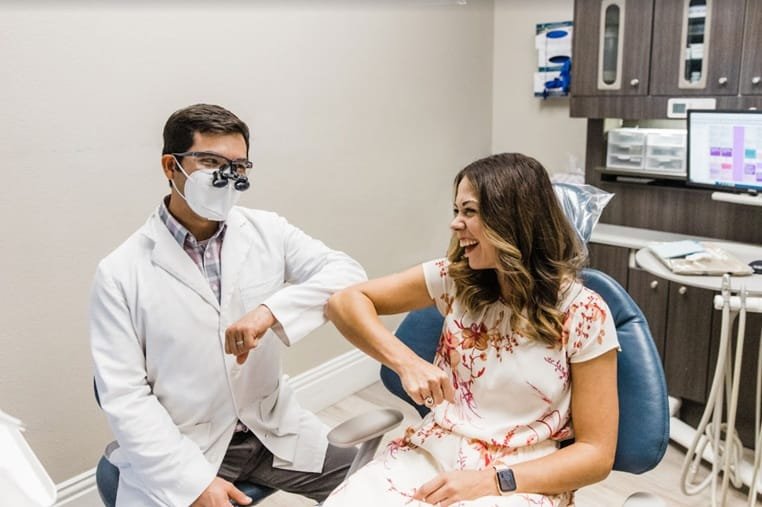
Your teeth and gums tell a personal story. You deserve care that fits that story, not a one size plan. A general dentist listens to your concerns, studies your daily habits, and then adjusts care so you can prevent problems early. This protects your health, your time, and your money. It also gives you control. Every mouth has different risks. For example, a dentist on Harbourfront Toronto sees how city stress, long commutes, and busy schedules change brushing and eating routines. That matters. When your dentist understands your life, your checkups, cleanings, and home care plan all work together. You leave with clear steps you can follow, without confusion or guilt. This blog explains three specific ways general dentists shape preventive care around you, so you can keep your smile strong and avoid pain before it starts.
1. Your Risk Level Guides Every Preventive Step
You do not face the same mouth risks as your neighbor. Your dentist knows this. Preventive care starts with a clear picture of your risk for cavities, gum disease, and mouth cancer. That picture shapes every choice.
During a checkup, your dentist looks at
- Your past history of cavities or gum disease
- Your current plaque and tartar levels
- Your diet and snacking habits
- Your use of tobacco or alcohol
- Your medical conditions, such as diabetes or dry mouth
- Your fluoride exposure from water and toothpaste
Then your dentist sorts your risk as low, medium, or high. Each level leads to a different plan. The Centers for Disease Control and Prevention explains that sugar intake, dry mouth, and poor brushing raise cavity risk. Your dentist uses that science and then matches it to your own life.
Here is a simple example of how risk level can change care.
| Risk Level | Checkup Frequency | Cleaning Needs | Extra Protection |
|---|---|---|---|
| Low risk | Every 12 months | Standard cleaning | Fluoride toothpaste at home |
| Medium risk | Every 6 months | Cleaning plus stain removal | Fluoride varnish during visit |
| High risk | Every 3 to 4 months | Deep cleaning as needed | Prescription fluoride and sealants |
This kind of plan keeps care fair. You get what you need. You do not pay for steps that do not match your risk. You also avoid silent damage that grows over time.
2. Your Daily Habits Shape Your Home Care Plan
Most mouth damage starts at home. Your dentist knows your brushing and eating habits matter more than any single visit. That is why a good dentist studies your routine and then adjusts your home plan in clear, simple ways.
During your visit, you might talk about three things.
- How often and how long you brush and floss
- When and what you eat and drink during the day
- Any pain, bleeding, or sensitivity you notice
The National Institute of Dental and Craniofacial Research stresses regular brushing with fluoride and less sugar as key steps to prevent decay. Your dentist takes these basics and then fits them to your life.
Here are three common examples.
- Busy workdays. If you rush meals and sip coffee all day, your dentist might suggest water rinses after each drink. You might also get a travel brush and a simple two minute routine you can use at work.
- Teen sports and snacks. If your child uses sports drinks, your dentist may ask you to limit them to meal times. You may also get a plan that swaps in water and sugar free gum between games.
- Dry mouth from medicine. If you take drugs that cut saliva, your dentist might recommend a fluoride rinse, sugar free lozenges, and shorter recall visits to catch early damage.
Your dentist also chooses tools that fit your comfort.
- A manual or powered brush, based on your grip and control
- Floss, floss picks, or water flossers, based on what you can use each day
- Low foaming or unflavored paste if strong mint bothers you
The goal is simple. You leave with a short, written plan that you can follow even on hard days. You should not feel shame. You should feel ready.
3. Your Life Stage and Health Conditions Change the Strategy
Your mouth needs change as your life changes. A general dentist tracks these changes and adjusts preventive care at each stage. That way you avoid sudden problems that feel unfair and frightening.
Here are three life stages and how a dentist may respond.
- Children and teens. Kids often struggle to clean back teeth. Your dentist may add sealants on molars, give hands on brushing lessons, and coach parents on helping without pressure. The aim is to build strong habits early.
- Adults with stress and tight budgets. Many adults grind teeth or skip visits due to cost. Your dentist may suggest a night guard, focus on the highest risk teeth first, and space out non urgent work so you can afford care without panic.
- Older adults and caregivers. With age, arthritis, memory loss, and medicines change the mouth. Your dentist may simplify routines, suggest larger handled brushes, and train caregivers to clean teeth in a way that keeps dignity.
Certain health conditions also guide a more personal plan.
- Diabetes, which raises gum disease risk
- Pregnancy, which can increase gum swelling and bleeding
- Cancer care, which can cause sores and dry mouth
Your dentist may time cleanings around medical visits, adjust x ray schedules, and talk with your doctor when needed. You get one joined plan, not a set of mixed messages.
Taking Your Next Step
Personalized preventive care is not a luxury. It is a basic form of respect. Your story, your health, and your limits all matter. A general dentist who listens can
- Spot risks early, before pain starts
- Cut the need for urgent visits
- Protect your budget through smart planning
You can help by sharing honest details about your habits, stress, and health. You do not need perfect routines. You only need clear communication. Your dentist can then shape a plan that fits your real life, so each visit moves you toward calmer, safer care.