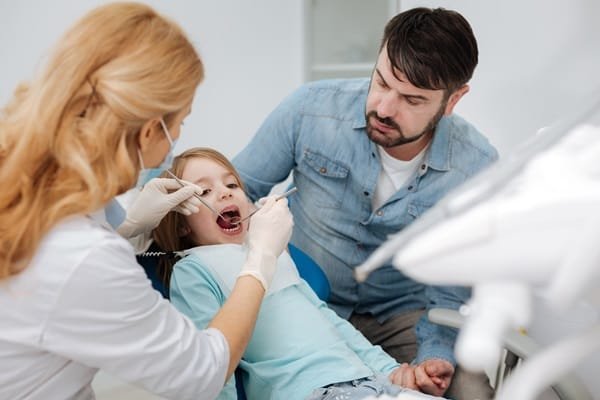
Preventive care at a family dental practice protects you before pain starts. You see problems early. You avoid rushed visits and urgent bills. During a visit, your dentist and hygienist clean your teeth, check your gums, and look for signs of decay, grinding, or infection. They review your medical history and your daily habits. They may take X-rays, apply fluoride, or seal your teeth to block decay. You talk through what you eat, how you brush, and how you feel about your smile. You leave with a clear plan, not a lecture. If you see a dentist in Montebello, CA, preventive care follows this same pattern. You can expect clear steps, simple language, and steady support. You also gain a team that learns your story and tracks small changes before they grow. This guide walks you through each part so you know what will happen.
Why preventive care matters for you and your family
Tooth decay is common. The Centers for Disease Control and Prevention reports that more than half of children aged 6 to 8 have had a cavity in a baby tooth. Many adults carry untreated decay. Early care cuts this risk. It saves teeth and money. It also protects your sense of control.
Regular visits help you
- Catch small problems before they need root canals or extractions
- Lower your chance of gum disease and tooth loss
- Support health conditions like diabetes and heart disease
What happens at a routine preventive visit
Most family visits follow a simple pattern. You can prepare yourself and your child by knowing each step.
1. Check in and health history review
Staff ask about
- Current medicines
- Recent illnesses or surgeries
- Pregnancy, chronic disease, or allergies
This is not paperwork for its own sake. It guides every choice in the chair. It shapes X-ray use, numbing medicine, and advice.
2. X-rays when needed
You might need x rays if
- You are new to the office
- You have not had x rays in a while
- You have pain, deep fillings, or signs of decay
The team uses shields and fast digital sensors. They aim to use the lowest exposure that still gives clear images. Children often need fewer images than adults.
3. Cleaning and plaque removal
The hygienist removes plaque and tartar that brushing and flossing miss. They clean along the gumline and between teeth. You may hear scraping sounds. You should not feel sharp pain. If you do, say so at once. The goal is comfort and trust.
After scaling, they polish your teeth. This step smooths the surface so plaque has a harder time sticking. It also removes some surface stains from coffee or tea.
4. Gum check
The hygienist measures pocket depth around each tooth. They look for bleeding or swelling. These signs show early gum disease. The good news is that early gum disease often improves with better home care and follow-up cleanings.
5. Exam with the dentist
The dentist checks for
- Cavities and weak spots
- Cracks, worn teeth, or signs of grinding
- Loose teeth or bite problems
- Changes in your tongue, cheeks, or lips
They also screen for oral cancer. This is a quick look and touch of soft tissues. It can feel strange. It does not hurt.
Fluoride, sealants, and other preventive steps
Many family practices offer extra ways to protect teeth. The American Dental Association explains these options in clear language on its MouthHealthy education site. You can use that site to confirm what you hear in the chair.
Fluoride treatments
Fluoride strengthens tooth enamel. It makes teeth harder to break down from acid. The office may use a gel, foam, or varnish. It goes on the teeth for a short time. You may need to wait a bit before eating or drinking.
Dental sealants
Sealants protect the grooves on the chewing surfaces. The material flows into deep pits on the back teeth. Then a light hardens it. This blocks food and bacteria from settling in those pits.
Children gain strong protection from sealants. Many adults with deep grooves benefit as well.
How often should you go
Most people need a checkup every six months. Some need visits every three or four months. A few can stretch to once a year. The best schedule depends on
- Past cavities or gum disease
- Dry mouth from medicines
- Smoking or vaping
- Chronic health problems
Your dentist will suggest a plan. You can ask why that plan fits you. You deserve clear reasons.
Preventive care for children versus adults
| Topic | Children | Adults |
|---|---|---|
| Visit start age | By first tooth or first birthday | As early as possible |
| Focus of visit | Growth, habits, early decay | Decay, gum health, wear |
| Common treatments | Fluoride, sealants, habit coaching | Cleanings, fluoride when needed, gum care |
| X rays | Less frequent, based on risk | Based on history and symptoms |
| Home care goals | Parental brushing help and diet changes | Consistent brushing, flossing, tobacco limits |
What you can do at home between visits
Clinic care works best when you support it at home. You can
- Brush twice a day with fluoride toothpaste
- Help children brush until they can tie their shoes
- Floss once a day
- Limit sugary drinks and snacks
- Use a mouthguard for sports and grinding
- Stop smoking or vaping
Each small step protects your teeth and gums. It also lowers your stress at the next visit. The goal is calm, steady care that keeps your mouth strong through every stage of life.