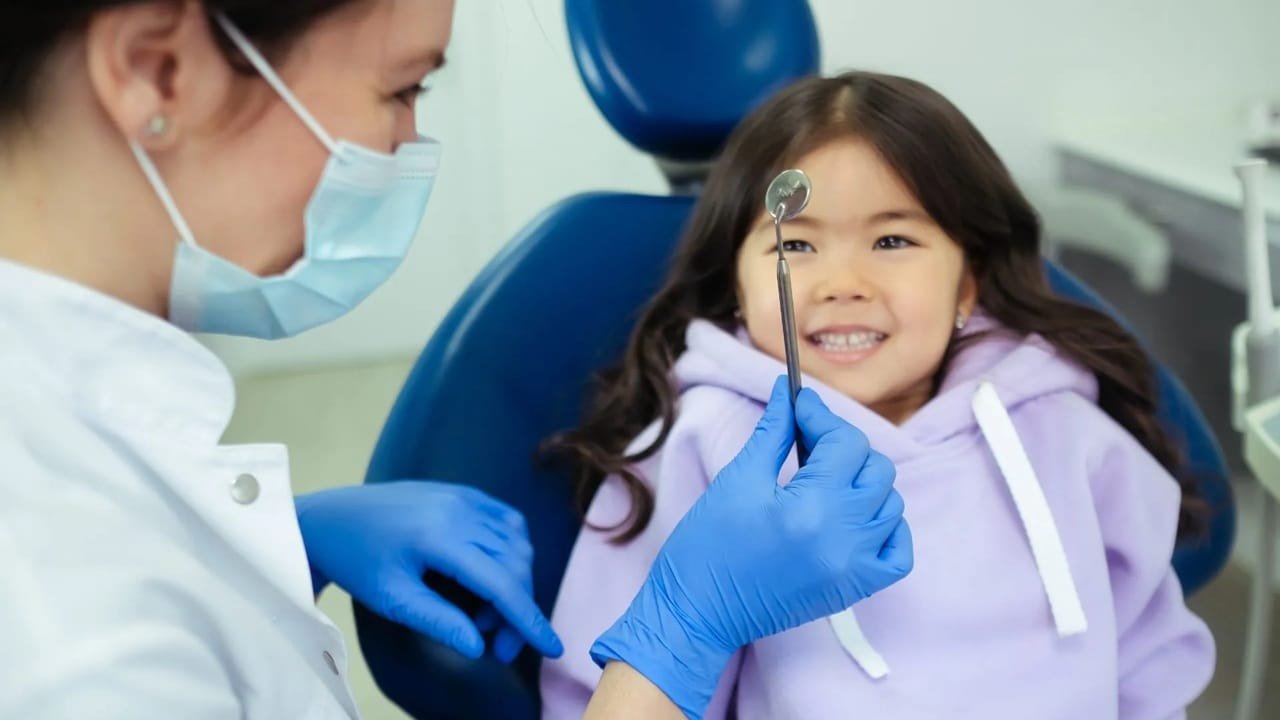
When it comes to your child’s dental health, asking the right questions matters. Preventive care lays the groundwork for a healthy smile. As a parent, you need to focus on this with your dentist. Finding a trusted dentist in Rochester, NY is only the start. The key is to engage actively in the care your child receives. Understanding preventive steps can save time and worry later. You may feel unsure about what to ask. You are not alone. Many parents share your concerns. Asking thoughtful questions ensures your child receives proper attention. A dentist can guide you in maintaining your child’s health through preventive care. This guidance helps prevent common issues before they start. Curious about what to ask? We have gathered five essential questions to guide you. With them, you can walk into the appointment equipped and confident. Your attention to these details will make a difference.
1. What Are the Best Practices for Brushing and Flossing?
You may think you know how to brush and floss, but your dentist can offer tailored advice. Ask about the best techniques for your child’s age and needs. Children often require different approaches than adults. Learning proper techniques early helps instill lifelong habits. Effective brushing and flossing remove plaque and food particles. This prevents cavities and gum disease. Your dentist can demonstrate proper methods and recommend suitable tools.
2. How Often Should My Child Have Dental Check-Ups?
Regular dental visits are key to preventive care. The American Dental Association suggests children see a dentist every six months. However, your child’s needs might differ. Ask your dentist for a schedule tailored to your child’s oral health. This ensures that issues are caught early and treatments adjusted. Frequent visits also help your child get comfortable with dental care. For more details, visit the American Dental Association site.
3. Does My Child Need Dental Sealants?
Sealants protect teeth from decay by covering chewing surfaces. They are often applied to molars where cavities tend to form. Ask if your child would benefit from sealants. Your dentist can assess the risks and benefits based on your child’s dental history. Sealants are a simple way to offer extra protection, especially for children prone to cavities.
4. What Dietary Changes Can Help Maintain Healthy Teeth?
The food your child eats affects their dental health. Sugary snacks and drinks contribute to cavities. Ask your dentist for dietary suggestions to support strong teeth. They may recommend foods rich in calcium and phosphorous. Limiting sugary and acidic foods can also help. Nutrition is crucial for growing teeth and gums. Your dentist’s guidance can lead to healthier choices.
5. Are Fluoride Treatments Necessary?
Fluoride strengthens teeth and prevents cavities, but its necessity varies. Ask if your child needs additional fluoride beyond toothpaste. Factors like tap water, diet, and dental history play a role. Your dentist can provide fluoride treatments if needed. This is especially helpful for children with a high risk of decay. Understanding these needs ensures your child receives optimal care.
Comparison of Preventive Care Options
| Preventive Measure | Purpose | Benefits |
|---|---|---|
| Brushing and Flossing | Remove plaque and food debris | Prevents cavities and gum disease |
| Regular Check-Ups | Monitor dental health | Early detection of issues |
| Dental Sealants | Protect molars | Reduces cavity risk |
| Fluoride Treatments | Strengthen enamel | Prevents decay |
| Dietary Adjustments | Support healthy teeth | Improves overall dental health |
Feeling prepared makes dental visits more productive. When you ask these questions, you take an active role in your child’s health. Good habits start early. Preventive care is a team effort between you, your child, and your dentist. By understanding these steps, you help ensure a healthy future for your child. For more in-depth information, you can visit the Centers for Disease Control and Prevention Oral Health page. Your dentist is there to support and guide you. Engage in these conversations and make informed decisions about your child’s well-being.