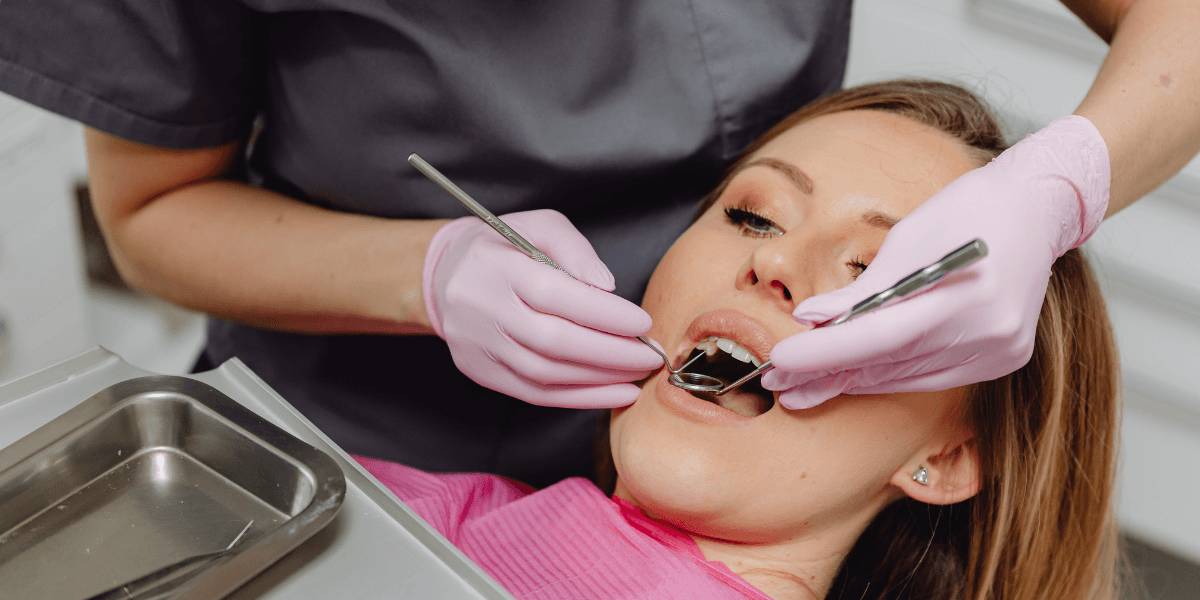
Your smile affects how you eat, speak, and connect with others every day. You may feel uneasy about stains, crooked teeth, or bleeding gums. You are not alone. Many people carry quiet shame about their teeth and avoid photos, dates, or even job interviews. Combined care gives you a clear path forward. You work with a Dacula dentist and your medical team at the same time. Together they look at your mouth, your body, and your daily habits. Then they build one simple plan. This blog walks you through six clear steps. You will see how cleanings, home care, nutrition, and medical support work together. You will learn what to ask at visits and what to do at home. You deserve a healthy and beautiful smile that feels strong, clean, and steady. You can start today with small changes that bring steady results.
Step 1: Know how your mouth and body connect
Your mouth shows early signs of many health problems. Gum disease links with heart disease, diabetes, and pregnancy problems. Dry mouth can come from common medicines. Mouth sores can warn of infection or cancer.
Start by learning your own risk. Ask your dentist and doctor to share notes. Request that they track three things.
- Your blood sugar and blood pressure
- Your gum health scores and X-rays
- Your current medicines and side effects
The Centers for Disease Control and Prevention explains how oral health connects with chronic disease. Use this information to guide questions at your next visit.
Step 2: Build one shared care plan
Combined care means one plan that everyone follows. Your dentist handles teeth and gums. Your doctor handles blood sugar, blood pressure, and other conditions. Your job is to link the two.
Bring these items to each visit.
- An updated medicine list
- Your most recent lab results
- Your dentist and doctor contact details
Then ask both teams to agree on simple written steps. For example.
- If you have diabetes, set a shared goal for blood sugar and gum scores
- If you smoke, agree on a quit date and a dental cleaning schedule that supports it
- If you take dry mouth medicines, plan saliva support and extra checkups
Keep this plan on one sheet of paper. Review it every six months.
Step 3: Follow a daily home care routine
Office visits help, but home care shapes your smile. You can protect teeth and gums in three simple steps.
- Brush two times a day with fluoride toothpaste
- Clean between teeth one time a day with floss or picks
- Rinse with water after meals and snacks
The National Institute of Dental and Craniofacial Research gives clear home care tips. Use these steps for yourself and your children. Set a timer. Turn on the music. Keep supplies in easy reach near the sink.
Step 4: Choose food and drinks that protect teeth
Every snack and drink can hurt or help your mouth. Sugar feeds the bacteria that cause cavities. Acid from soda and sports drinks wears down enamel. You do not need a perfect diet. You only need clear rules that you can keep.
Use this simple table as a guide.
| Choice type | Examples | Effect on teeth | Simple swap |
|---|---|---|---|
| High sugar drinks | Soda, sweet tea, sports drinks, energy drinks | Raises cavity risk | Plain water or unsweet iced tea |
| Sticky snacks | Gummies, dried fruit, caramels | Clings to teeth | Fresh fruit or nuts if safe |
| Frequent grazing | Snacks every hour | Keeps acid high | Set snack times |
| Tooth friendly choices | Cheese, yogurt, crunchy veggies | Supports enamel | Use as default snacks |
Try three changes. Drink water with meals. Keep sweets with meals instead of all day. Stop eating two hours before sleep so your mouth can recover.
Step 5: Plan regular cleanings and checkups
Routine care catches small problems early. Combined care makes these visits more useful. Tell your dentist about any new diagnoses, hospital visits, or medicine changes. Tell your doctor about any gum bleeding, loose teeth, or mouth pain.
Most people need a dental checkup every six months. Some need visits every three or four months. Your schedule may change if you have.
- Diabetes
- Heart disease
- Pregnancy
- Past gum disease
Use one calendar for all health visits. Book your next dental cleaning before you leave the office. Then confirm that your medical team gets a copy of key notes or X-rays when needed.
Step 6: Protect your future smile
A healthy and beautiful smile does not come from one visit. It grows from patterns that you keep. Focus on three types of protection.
- Physical protection. Use a mouthguard for sports. Wear a night guard if you grind your teeth.
- Chemical protection. Use fluoride toothpaste. Ask if you need fluoride varnish or sealants for deep grooves.
- Behavior protection. Limit tobacco and alcohol. Manage stress with sleep, movement, and support.
Review your plan once a year. Ask your Dacula dentist and your doctor what has improved, what still needs work, and what one new step you can add. Small steady changes protect your health, your confidence, and your smile.