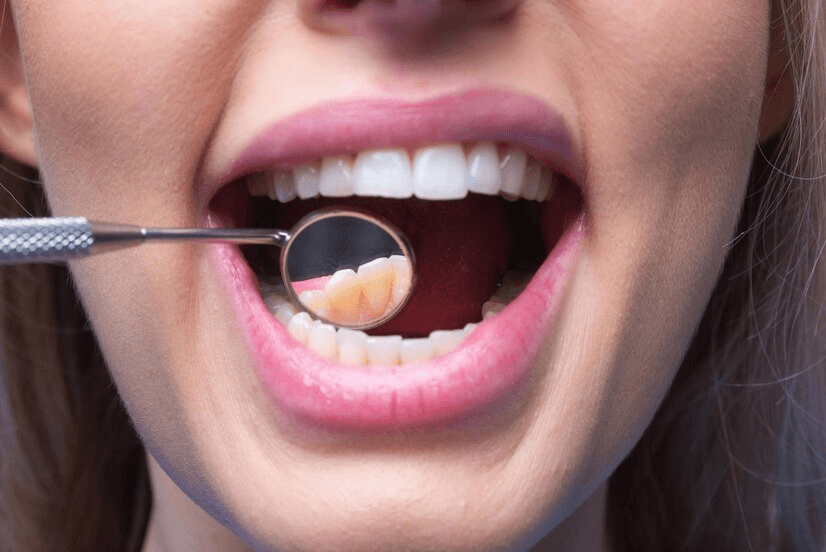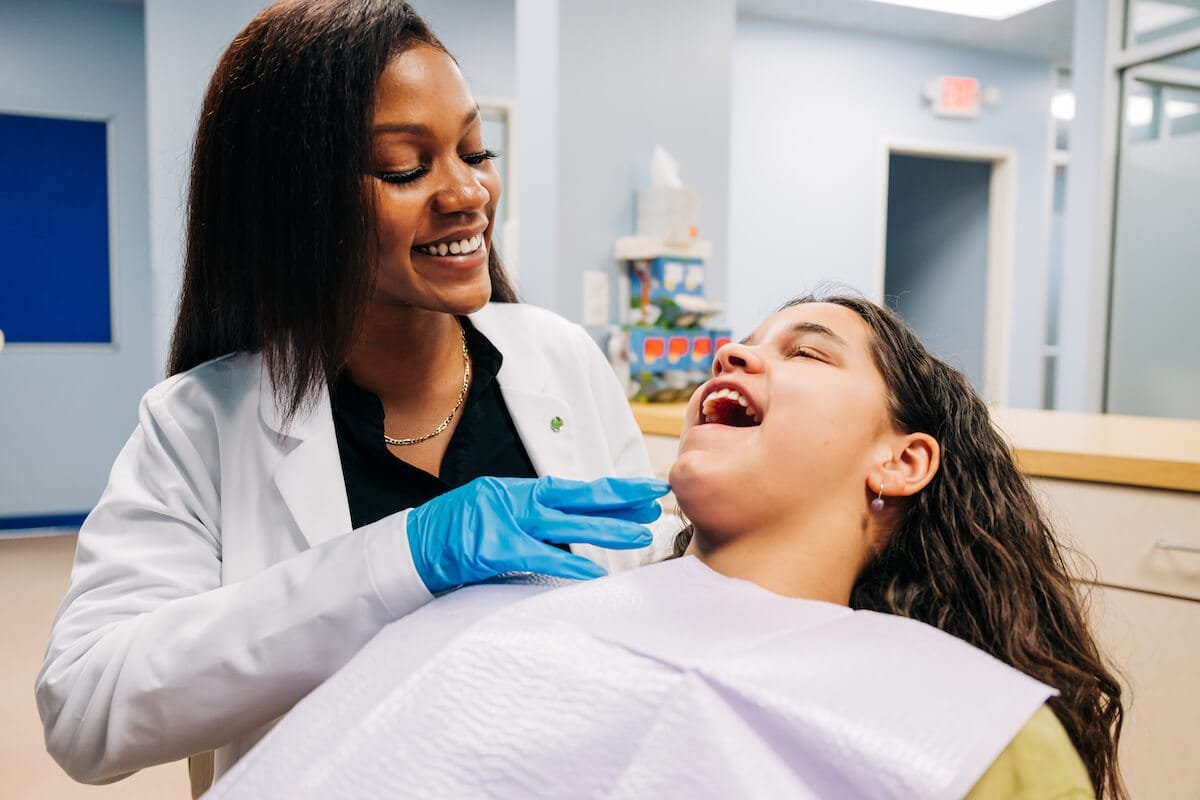
Your pet’s mouth affects everything from eating to mood. Yet you might not notice problems until your pet stops chewing or pulls away from touch. Animal hospitals step in long before that point. They set up preventive dental programs that spot small issues early and protect your pet from pain. Regular exams, cleanings, and simple home care plans lower the risk of infection and tooth loss. They also cut the chance of heart, kidney, and liver problems linked to gum disease. At your local clinic, a veterinarian in League City reviews your pet’s teeth, gums, and jaw during routine visits. Then the team builds a clear plan you can follow at home. You get honest guidance, practical tools, and steady support. Your pet gets a safer mouth and a calmer life.
Why preventive dental care matters for your pet
You brush your own teeth every day. Your pet needs similar care. Without it, plaque hardens into tartar. Gums pull away from teeth. Infection settles in the mouth and can move through the body.
Research from the American Veterinary Medical Association shows that most dogs and cats have signs of dental disease by age three. That means pain often starts when your pet is still young. You might only see bad breath or a small change in eating. Your pet feels much more.
Early dental care does three things.
- It stops pain before it grows.
- It guards the heart, kidneys, and liver from strain.
- It lowers long-term costs by avoiding crisis care.
What animal hospitals do during dental visits
Animal hospitals use a clear step-by-step plan during dental visits. You see a calm exam room. Behind that room, there is careful work that protects your pet.
During a standard preventive dental visit, the team often does the following.
- Reviews your pet’s history and daily habits.
- Looks at the mouth for redness, swelling, loose teeth, or growths.
- Checks jaw movement and bite.
- Scores the level of tartar and gum disease.
- Plans cleaning or X-rays if needed.
When a full cleaning is needed, most hospitals use safe anesthesia. This allows the team to clean under the gum line. That is where disease hides. The team scales, polishes, and rinses the teeth. They may take dental x rays. These show damage below the surface that you cannot see with the eye.
The hospital then records each tooth. This record guides future care. It also helps catch changes early at the next visit.
How often does your pet need dental care?
Each pet is different. Breed, age, size, and health all matter. Yet some patterns are common.
Pet type | Home tooth brushing | Oral exam at hospital | Professional cleaning |
|---|---|---|---|
Small dog | Daily | Every 6 months | Every 6 to 12 months |
Large dog | At least 3 times per week | Every 12 months | Every 12 to 24 months |
Cat | Daily if possible | Every 12 months | Every 12 to 18 months |
Senior pet | Daily | Every 6 months | As advised after exam |
These are general ranges. Your hospital team adjusts them based on your pet’s mouth. They may suggest more visits if your pet has diabetes, kidney disease, or immune problems.
How animal hospitals build home care plans
Your effort at home keeps the work from the hospital strong. The team knows this. They show you what to do in short clear steps.
A home plan often includes three pieces.
- Tooth brushing with pet safe toothpaste.
- Dental chews or treats with proven benefit.
- Rinses, gels, or special diets when needed.
The staff can show you how to lift the lip, hold the muzzle, and move the brush. They can start with a few teeth at a time. They can suggest rewards that keep your pet calm and willing.
The plan also covers warning signs that mean you should call. These include strong mouth odor, drooling, blood, dropping food, or face rubbing. If you see these, you should not wait. You should schedule a visit.
Preventing disease and protecting whole body health
Gum disease does not stay in the mouth. Bacteria and inflammation strain the heart and other organs. Over time, this can shorten your pet’s life.
Guidance from the National Institutes of Health explains how oral bacteria can enter the bloodstream and affect distant organs. When your animal hospital cleans the teeth and treats gum pockets, they lower this spread. They reduce the daily stress on your pet’s body.
Preventive dental programs in hospitals focus on three health goals.
- Keep teeth strong enough for normal chewing.
- Stop infection before it reaches the bone.
- Protect heart, kidneys, and liver from chronic strain.
Cost, planning, and long-term savings
You may worry about cost. That is fair. Yet untreated dental disease often leads to emergency visits, extractions, and long courses of medicine. Those costs add up and cause fear for you and pain for your pet.
Preventive dental programs help you spread care over time. Many hospitals offer written care plans. These lay out expected visits, likely cleanings, and optional tests. You can ask for estimates for each step. You can also ask about pet insurance coverage for dental work.
Early care often means shorter procedures, fewer extractions, and less medicine. It means fewer days when your pet refuses food or cries out when yawning. That is real savings, both in money and in worry.
How you can start today
You do not need to wait for clear signs of trouble. You can take three simple steps now.
- Look inside your pet’s mouth today. Notice smell, color of gums, and tartar.
- Call your animal hospital and ask for a dental exam date.
- Begin gentle mouth handling and rewards so your pet accepts future care.
Each small step you take, your hospital team can build on. Together, you protect your pet from quiet, hidden pain. You also guard the heart, kidneys, and other organs that depend on a clean mouth.
With steady support from your animal hospital, preventive dental care becomes part of normal life. Your pet eats with ease. Your home smells cleaner. Your bond deepens because your pet feels safe, strong, and free from mouth pain.