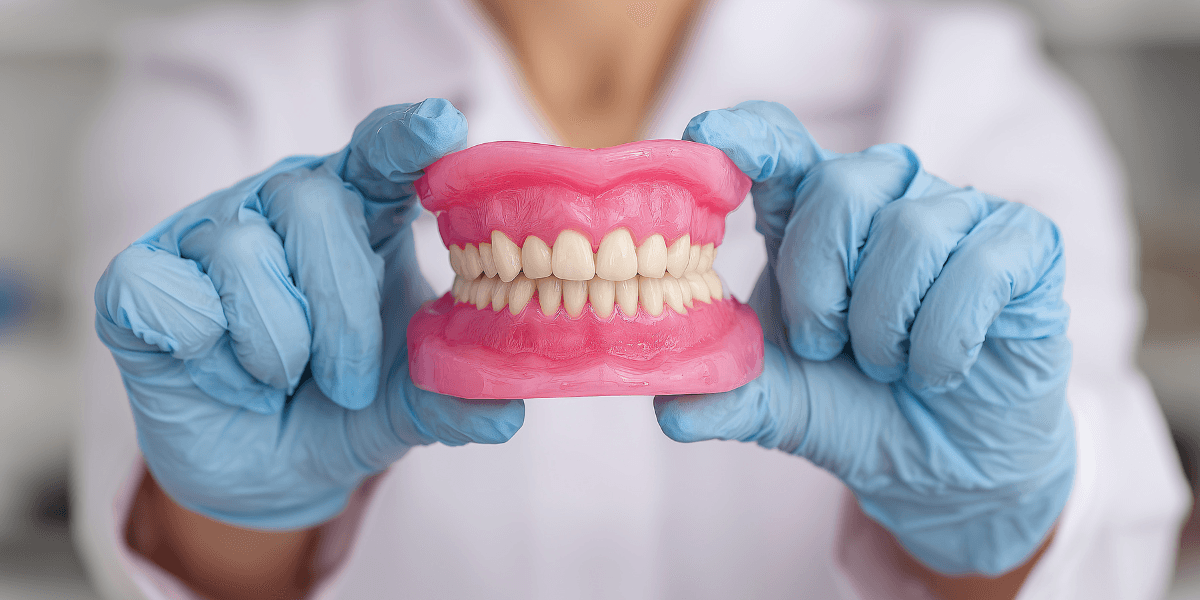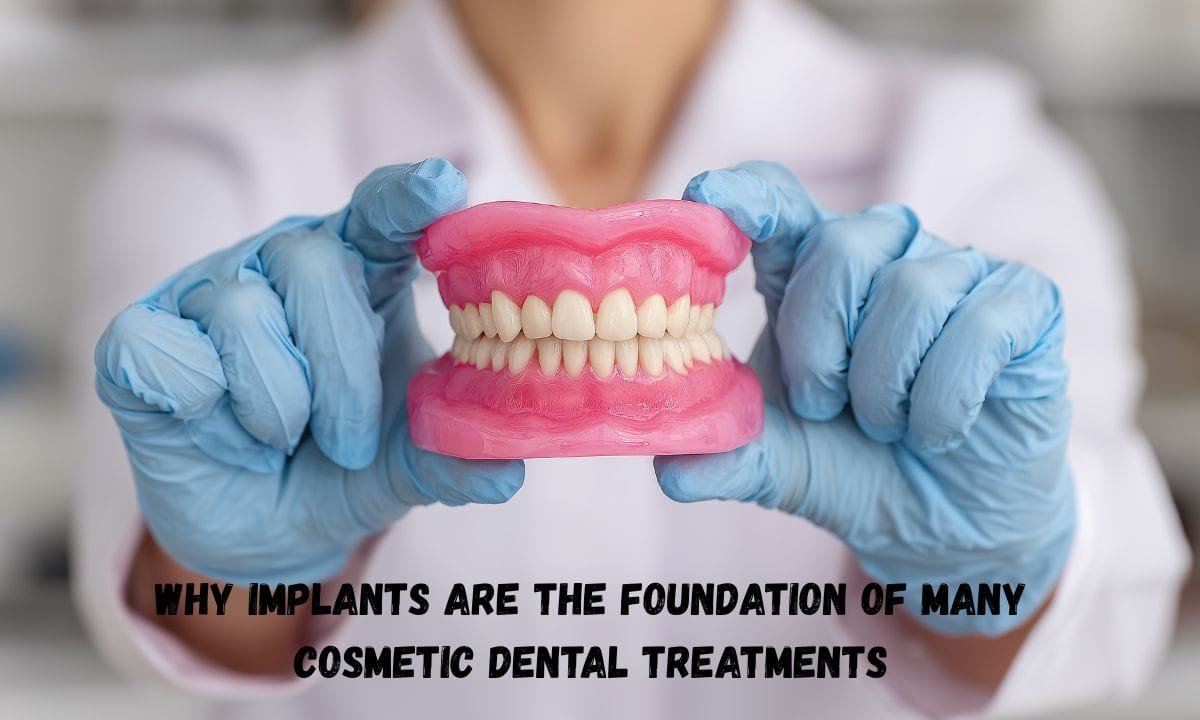
You might hear a promise of a “perfect smile” and feel pressure or doubt. That reaction is honest. Many treatments only cover problems on the surface. Implants work differently. They replace missing roots, not just missing teeth. They give your jaw real support. They help your bite stay strong. They also help other cosmetic treatments last. You may want veneers, crowns, or bridges. Without a firm base, those options can shift, crack, or fail. With implants, your dentist can shape a plan that feels stable. You can chew, speak, and smile with more ease. You also protect the shape of your jaw over time. If you work with a dentist in Berkeley, or anywhere else, implants often form the first step. They give every other cosmetic choice something solid to hold on to.
How Dental Implants Work In Your Mouth
A dental implant is a small post placed in your jaw. It acts like a new root. Over time, bone grows around it. Your body treats it like part of you.
Here is what that means for you.
- The implant holds a crown, bridge, or denture in place.
- Your bite force goes through the implant into the bone.
- Your jaw gets the pressure it needs to stay full and strong.
Without this root support, the bone can shrink after you lose a tooth. The National Institute of Dental and Craniofacial Research explains that tooth loss changes jaw bone and face shape over time.
Why Surface-Only Cosmetic Work Often Fails
You may think about a quick fix. A new crown. A bridge that covers a gap. A set of dentures that looks smooth and white. These can help. They also depend on what sits under them.
When treatment only sits on the gums or nearby teeth, you face three common problems.
- Movement. Dentures can slip. Bridges can rock.
- Wear on other teeth. Neighbor teeth carry more force.
- Bone loss. Your jaw gets less chewing pressure. Bone can thin.
Over the years, that can change your bite and your face. It can also shorten the life of every cosmetic step you pay for.
Why Implants Are A Strong Base For Other Treatments
Implants solve the root of the problem. They do three key things for cosmetic work.
- They give firm anchoring for crowns or bridges.
- They help dentures click into place and stay put.
- They send chewing force into the bone and help slow bone loss.
That support lets your dentist design cosmetic work that looks natural and feels steady. It also gives you more control over how your smile ages.
Comparison: Implants And Other Tooth Replacement Options
| Option | Replaces Root | Bone Support | Effect On Nearby Teeth | Stability When Chewing |
|---|---|---|---|---|
| Dental implant with crown | Yes | Helps protect jaw bone | Does not rely on neighbor teeth | Very steady |
| Traditional bridge | No | Does not protect bone at gap | Needs filing of neighbor teeth | Steady at first |
| Partial denture | No | Limited support for bone | Clips to other teeth | Can move when you eat |
| Full denture | No | Jaw bone often shrinks over time | No direct effect on teeth | Often slips or rubs |
| Implant supported denture | Yes | Helps protect jaw bone where implants sit | Does not need clips on teeth | More stable than regular dentures |
How Implants Support Common Cosmetic Treatments
You may not want a full mouth of implants. You may only need a few. Those few can still carry out other cosmetic steps.
- Crowns. An implant crown fills one gap. It matches color and shape.
- Bridges. Two or more implants can hold a bridge. Neighbor teeth stay whole.
- Dentures. Implants can snap a denture into place. That helps with speech and chewing.
- Veneers and bonding. A stable bite from implants can help these front tooth changes last longer.
The American Dental Association gives plain language facts on implants, crowns, and dentures.
Health Benefits That Support Cosmetic Goals
A good smile is not only about looks. It is also about how your mouth works each day.
Implants can help you.
- Chew a wider range of foods.
- Speak clear words without fear of slipping teeth.
- Keep more of your natural face shape.
- Spread chewing force in a safer way.
These gains can reduce strain on your jaw joints and muscles. They also reduce stress that comes from worry about loose teeth.
Who Might Be A Good Candidate
You may be a strong match for implants if you.
- Have one or more missing teeth.
- Have healthy gums.
- Have enough bone in the jaw or can receive bone grafting.
- Do not smoke or are ready to quit.
- Can keep up with daily brushing and flossing.
A dental exam with X-rays gives clear answers. Your dentist can check bone levels and plan the safest path.
Questions To Ask Your Dentist
You have a right to clear facts before you choose implants. You can ask.
- How many implants do you place each year?
- What steps will my treatment include?
- How long will healing take for me?
- What are the risks and how are they managed?
- What other options do I have if implants are not right for me?
You can also ask to see models or photos that show how implants support other cosmetic work. That can help you picture each step.
Taking The Next Step With Confidence
You do not need to chase a perfect smile. You only need a mouth that lets you eat, speak, and smile without fear. Implants give strength under the surface. They turn other cosmetic treatments from short term coverups into long term solutions.
With careful planning, you and your dentist can build a stable base first. Then every crown, bridge, denture, or veneer has real support. That order protects your health, your comfort, and your future choices.